
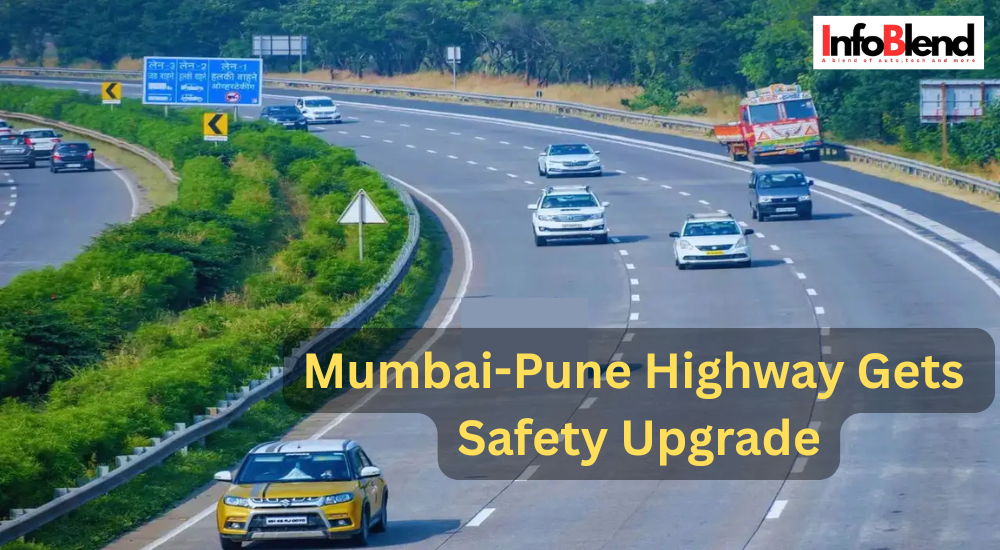
🚧 Zero Fatality Corridor Enhances Safety on Mumbai-Pune Highway
As part of the Zero Fatality Corridor programme, 15 high-risk zones along the Old Mumbai-Pune Highway (NH-48) have undergone crucial safety upgrades aimed at reducing road crash deaths.
This initiative, driven by SaveLIFE Foundation in partnership with MSRDC, Maharashtra Highway Police, and Highways Infrastructure Trust, addresses the alarming fatality rates on this critical route. In 2023 alone, this stretch recorded 88 fatalities, prompting urgent systemic intervention.
🛠️ Engineering Fixes Target Accident-Prone Zones
Following a detailed road safety audit—including field assessments and crash data analysis—experts implemented targeted “safety treatments” at identified danger points. These included:
- Speed control measures
- Enhanced signage
- Redesigned intersections
- High-visibility road markings
- Safer pedestrian crossings
These improvements are aimed at reducing fatal crashes by 20–30% over the next few years.
Also Read: Maharashtra SSC 10th Result Date 2025 Out
👥 Expert Voices on the Safety Push
Dr. Zafar Khan, Executive Director & Joint CEO of Highways Infrastructure Trust, emphasized:
“Maharashtra reported over 15,000 road deaths last year, mainly on highways. Road safety must be engineered by design.”
Piyush Tewari, Founder & CEO of SaveLIFE Foundation, added:
“This is a clear example of how data and collaboration can make roads safer.”
🚓 Enforcement and Education Go Hand-in-Hand
Alongside infrastructure changes, enhanced traffic enforcement has been rolled out to improve compliance with traffic rules. The programme also encourages responsible driving habits through public awareness and multi-agency cooperation.
📉 Mumbai-Pune Expressway Sets an Example
The broader Zero Fatality Corridor campaign, initiated in 2016 on the Mumbai-Pune Expressway, has already reduced road deaths by 58.3% since its inception.
Key achievements:
- 3,500+ engineering flaws corrected
- 176 km of crash barriers installed
- 200 km of tactile edge lines laid
- Emergency median opening created at km 26.6
- Black spot at km 82.7 successfully mitigated
From 151 deaths in 2016, fatalities on the expressway have dropped significantly—now averaging just 1 death per 2 km compared to 3 earlier.
✅ Conclusion
The Zero Fatality Corridor project shows that well-planned engineering, supported by enforcement and partnerships, can save lives. The recent overhaul of the Old Mumbai-Pune Highway’s most dangerous spots marks a major step forward in road safety in India.