
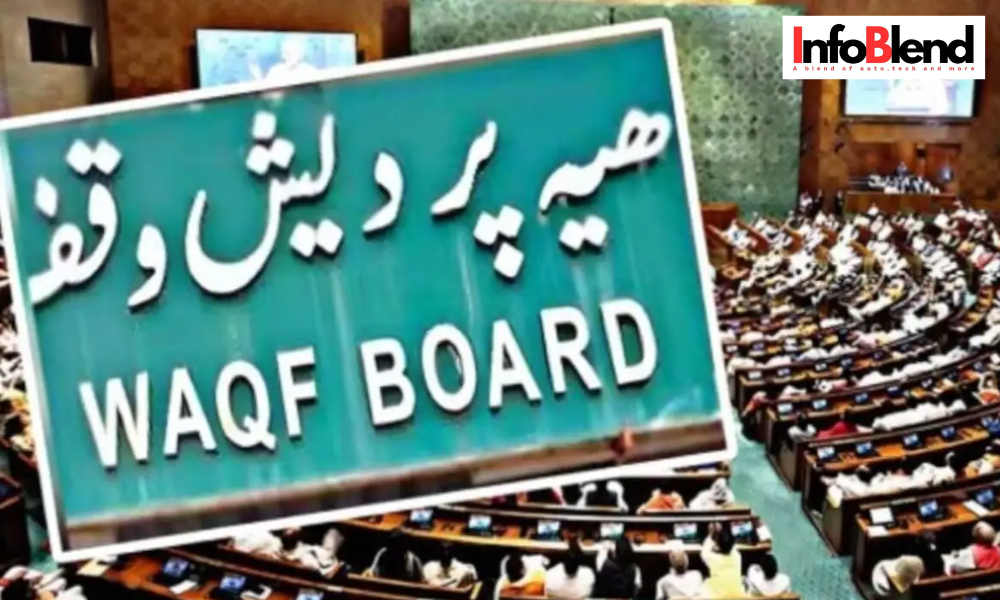
Waqf Law Supreme Court Hearing: Key Highlights
The Supreme Court of India is set to hear a series of petitions challenging the newly amended Waqf law, which governs the administration of Muslim charitable properties. The hearing will take place before a three-judge bench comprising Chief Justice Sanjiv Khanna, Justice Sanjay Kumar, and Justice KV Viswanathan at 2 PM today.
Petitions Challenge Waqf Amendment Bill
The Waqf Amendment Bill, passed earlier this month following extensive debates in both the Lok Sabha and the Rajya Sabha, has drawn sharp criticism from various quarters. Opposition leaders and several religious organizations argue that the amended law violates fundamental rights, including the right to equality and freedom of religious practice.
Political and Religious Groups Involved
Petitioners include representatives from the Congress, Janata Dal United, Aam Aadmi Party (AAP), DMK, CPI, and organizations like Jamiat Ulema-e-Hind and the All India Muslim Personal Law Board. These groups argue that the law unfairly targets the Muslim community.
BJP-Ruled States Support the Law
States such as Madhya Pradesh, Rajasthan, Chhattisgarh, Assam, Maharashtra, and Uttarakhand—governed by the BJP—have submitted applications to support the amended law during the hearing.
Demands and Concerns Raised in Court
Some petitions seek to declare the law unconstitutional, while others request the court to halt its implementation. Concerns include arbitrary provisions and discriminatory treatment against Muslims.
Key Political Arguments
- Asaduddin Owaisi, leader of AIMIM, claims the law strips away legal protections from Waqf properties, unlike those granted to other religious properties.
- Amanatullah Khan of AAP argues that the inclusion of non-Muslim members in Waqf boards violates Article 14 of the Constitution.
Government’s Stand on Waqf Law
Waqf Law Supreme Court Hearing: The government insists the amendment pertains solely to property management and not religion. According to them, irregularities in Waqf property management have hindered benefits intended for underprivileged Muslims, especially women and children. The revised law aims to improve accountability and transparency.
Drafting Process and Support
The Centre claims to have consulted a wide range of stakeholders, including non-Muslim minorities, while drafting the bill. It also highlights that the Joint Parliamentary Committee approved the bill with key amendments based on suggestions from its members.
Protests Across States
The amended law has triggered protests in multiple states. In West Bengal, the situation turned violent, leading to the deaths of three people and displacing many. Chief Minister Mamata Banerjee has declared that her government will not implement the amended Waqf law.
Final Thoughts
The Supreme Court’s verdict on this matter could have a significant impact on the governance of religious properties in India. As legal and political tensions rise, all eyes are on today’s hearing.